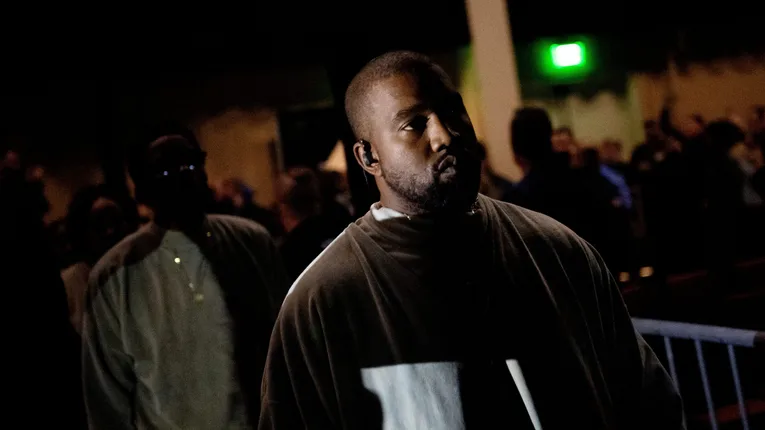
Kanye West References Martin Luther King Jr. on “Bully” Opener While Celebrating Bianca Censori Marriage
The release of Bully has already sparked intense conversation, and one lyric in particular is drawing widespread attention. On the album’s opening track “KING,” Kanye West references Martin Luther King Jr. while speaking about his wife, Bianca Censori—a move that has divided fans and critics alike.
The Lyric That Sparked Debate
On “KING,” Kanye delivers the line:
“I brought a white queen to the altar / Couldn't happen without Martin Luther.”
The bar immediately caught listeners’ attention due to its layered meaning and bold comparison. At its core, the lyric connects Kanye’s interracial marriage to the broader legacy of the Civil Rights Movement, particularly the fight against segregation led by Martin Luther King Jr.
Some listeners interpret the line as a reflection on social progress—suggesting that relationships like his would not have been possible without the sacrifices of past leaders. Others, however, see it as a controversial or overly simplistic use of a deeply significant historical figure.
Context Behind Kanye and Bianca’s Relationship
Kanye West and Bianca Censori have been publicly linked since late 2022. Reports suggest the couple held a private wedding ceremony in December of that year, shortly after Kanye finalized his divorce from Kim Kardashian.
Throughout 2023 and beyond, the pair frequently made headlines. From bold fashion statements to public appearances that sparked debate, their relationship has remained a constant topic in entertainment media.
Despite the noise, Bully shows that Bianca is not just a presence in Kanye’s personal life—she is also part of his creative world.
Creative Collaboration on “Bully”
Beyond lyrical references, Bianca Censori played a direct artistic role in the album. She reportedly directed the music video for “Father,” a standout track on Bully that features Travis Scott.
This collaboration highlights a deeper creative partnership between the two. For fans, it offers a more personal glimpse into Kanye’s current artistic phase—one that blends music, visual art, and personal relationships.
Fan Reactions: Divided but Engaged
As expected with any Kanye West release, reactions to Bully—and specifically this lyric—have been mixed.
Some fans praise the line for its ambition and layered meaning, arguing that it reflects Kanye’s long-standing tendency to merge personal narrative with cultural commentary. They see it as a bold acknowledgment of historical progress and its impact on modern life.
Others are less impressed. Critics describe the lyric as:
- Corny or forced
- Overly reductive of Martin Luther King Jr.’s legacy
- Provocative for the sake of attention
Given Kanye’s history of controversial statements, some listeners also question whether the line is thoughtful commentary or simply another example of shock-value lyricism.
A Pattern in Kanye’s Artistry
The debate surrounding this lyric is not new territory for Kanye West. Throughout his career, he has often blended personal experiences with broader cultural or political references.
From early albums like The College Dropout to more experimental works like Yeezus, Kanye has consistently pushed boundaries—sometimes successfully, sometimes controversially.
Bully continues that tradition. The album is filled with lines that provoke discussion, challenge listeners, and occasionally divide audiences.
The Role of Controversy in “Bully”
It’s clear that Bully is not designed to be a quiet release. Between its turbulent rollout and its bold lyrical content, the album thrives on conversation.
The Martin Luther King Jr. reference is just one example of how Kanye uses provocative imagery and historical figures to spark dialogue. Whether listeners view this as artistic expression or misjudgment often depends on their perspective.
Social Media and Ongoing Discourse
Since the album’s release, social media platforms have been flooded with reactions. Clips of the “KING” lyric are circulating widely, with users debating its meaning and intent.
As with many Kanye West moments, the conversation is evolving in real time. Some fans are choosing to focus on the album’s production and overall sound, while others remain fixated on its most controversial bars.
This ongoing discourse is part of what keeps Kanye at the center of cultural conversations—even years into his career.
A Reflection of Kanye’s Current Era
Bully represents Kanye West in his current form: reflective, confrontational, and unapologetically expressive. His reference to Bianca Censori in connection with Martin Luther King Jr. encapsulates this era—one where personal life, history, and art collide in unexpected ways.
For some, this makes the album compelling and thought-provoking. For others, it raises questions about boundaries and responsibility in artistic expression.
Final Thoughts
Kanye West’s Bully is already shaping up to be one of his most talked-about projects in recent years, and the “KING” lyric is a major reason why.
By invoking Martin Luther King Jr. while celebrating his marriage to Bianca Censori, Kanye has once again demonstrated his ability to command attention—whether through admiration or controversy.
As discussions continue, one thing remains certain: Kanye West knows how to keep the world listening.
Comments